HOW CELLS USE IT AND WHAT PEOPLE FELT
What NAD+ research found in people, mice, and cells
Begin with walking and muscle sugar use, which a person can picture. Then see how cells make and spend NAD+. Mouse and dish findings are marked where they appear.
What people noticed before the cell studies
Walking farther may matter to you more than the name of a cell protein. Some pill studies found better walking, while others found only more NAD+ in blood. One study found that insulin helped women's muscles remove more sugar. Such results are firmer than claims that a pill extends life or prevents disease.
The next sections explain how cells make and spend NAD+. The page then returns to trials where people received NMN or NR pills. Each claim number points to its paper on the reference page. Results from human, mouse, and dish work are kept apart.
How cells make NAD+ from food and used material
Cells have three routes for making NAD+ [13]. The route used most often turns a niacin vitamin into NMN. One final cell step turns NMN into NAD+ [10][5]. This route saves material already in the body.
Another route starts with NR and soon makes NMN. A dish study showed how a cell attaches a chemical tag to NR, moving it toward NMN [12]. Other routes start with niacin or tryptophan, which the body also uses to build protein [13]. An X-ray study showed where NMN fits into the protein that finishes NAD+ [16].
Researchers compared these routes across 45 kinds of living things. Every kind they checked could start with niacin [13]. These cell studies map the steps, but they cannot show that extra NAD+ helps a person.
How cell repair and age can use up NAD+
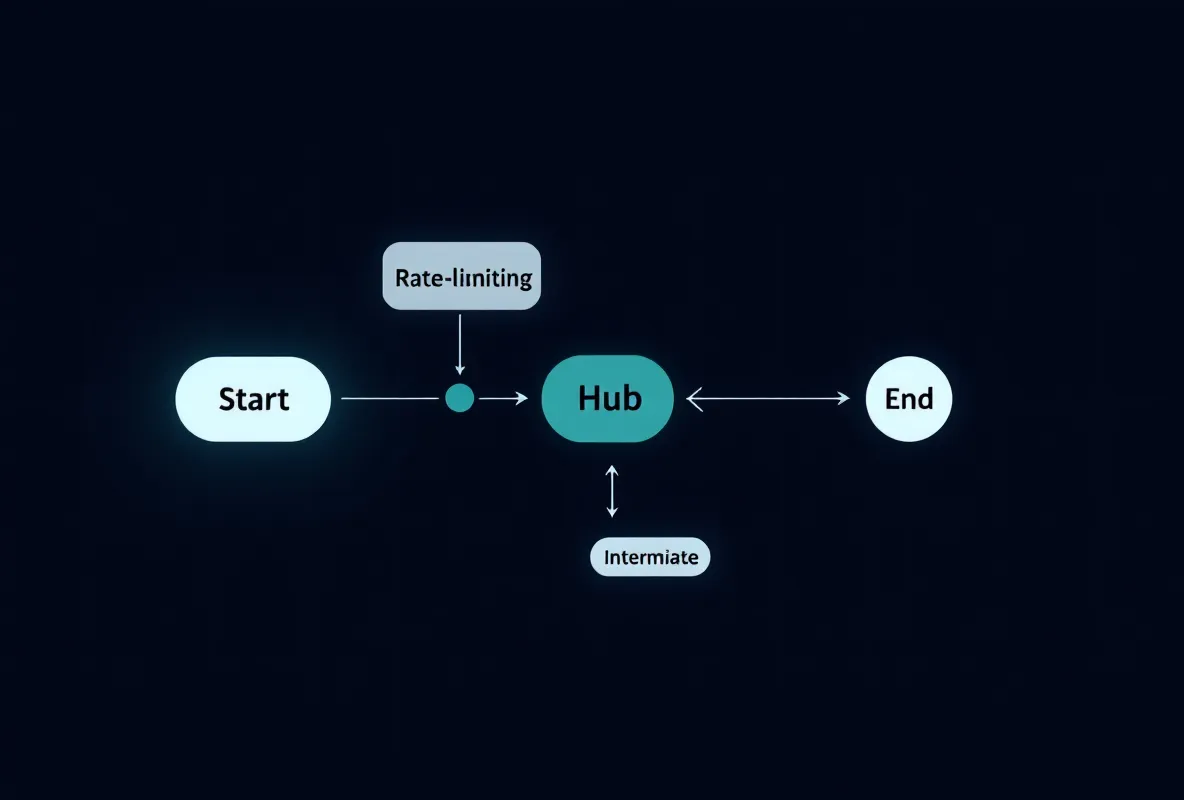
Several kinds of proteins spend NAD+ while doing their jobs [5]. One kind has 7 proteins that help cells cope with damage or too little food. Another uses much of the supply when broken DNA needs repair. Normal cell repair alone cannot show that an NAD+ pill improves health.
One more protein spends increasing amounts of NAD+ as mice age and harmful swelling grows. Scientists bred mice without this protein, and their NAD+ fell more slowly [2]. More mitochondria also stayed in working order. These small cell structures release power from food.
Researchers also study a protein that restores spent NAD+ [12]. Much of it was found in the hippocampus, the brain area used for memory. Dish work tied the protein to growth of new nerve cells. None of these findings shows that an NAD+ pill treats brain disease.
How falling NAD+ may affect older cells
A review says mitochondria work less well as NAD+ falls with age [5]. These are the small structures that release power from food inside cells. In animals and dish-grown cells, the fall broke normal contact between DNA and mitochondria. The mitochondria then released less power, a change also seen with low oxygen, although enough oxygen was present.
Some old cells stop dividing but stay alive. They release proteins that call immune cells into nearby tissue. Those immune cells then use still more NAD+ [5][2]. In this proposed loop, falling NAD+ leads to further loss, and researchers hope NMN or NR might stop it [5].
The case is strong in mice and rats but much less clear in people. A 2025 review found too little proof that higher blood NAD+ repairs organs or brings lasting health [14]. The animal idea is a reason to study people. It isn't proof that a treatment works.
What NAD+ supplement pills made from NMN or NR changed
Some bottles marked NAD+ contain NMN or NR. The gut takes in these starting materials more easily than whole NAD+ [8]. The body then changes each one into NAD+. Niacin and niacinamide, one of the vitamins in niacin's family, are older starting materials.
In one human study, blood NAD+ rose by 22%, 51%, and 142% after NR. People took 100/300/1000 mg/day for eight weeks [4]. Bad cholesterol stayed level. Another test found no harm to the way certain B vitamins help cells mark which DNA instructions to use.
NMN raised the same blood reading at 300/600/900 mg/day [3]. The FDA says sellers cannot call NMN a dietary supplement after the substance was accepted for drug research. That rule does not tell whether NMN works, and it does not make owning NMN illegal.
What NAD+ blood and muscle tests found after NR pills
NR has the clearest human blood results across several study amounts. In adults carrying extra weight who were otherwise healthy, NAD+ rose by 22%, 51%, and 142%. People took 100, 300, or 1000 mg/day for eight weeks [4]. The level stayed up, and problems occurred no more often than with placebo, a pill containing no NR.
Another study gave older men 1 g/day for 21 days. Their muscle held more NAD+ and related substances [6]. Blood proteins tied to harmful swelling also fell. A dish study mapped the protein that starts changing NR toward NAD+ [12].
The dish study explained one cell step rather than something a person would notice. Blood and muscle changes alone did not establish a health gain. They tell us that NR reached the body and altered those tests. Larger and longer studies must answer the health question.
What NAD+ vs NMN means on a pill label
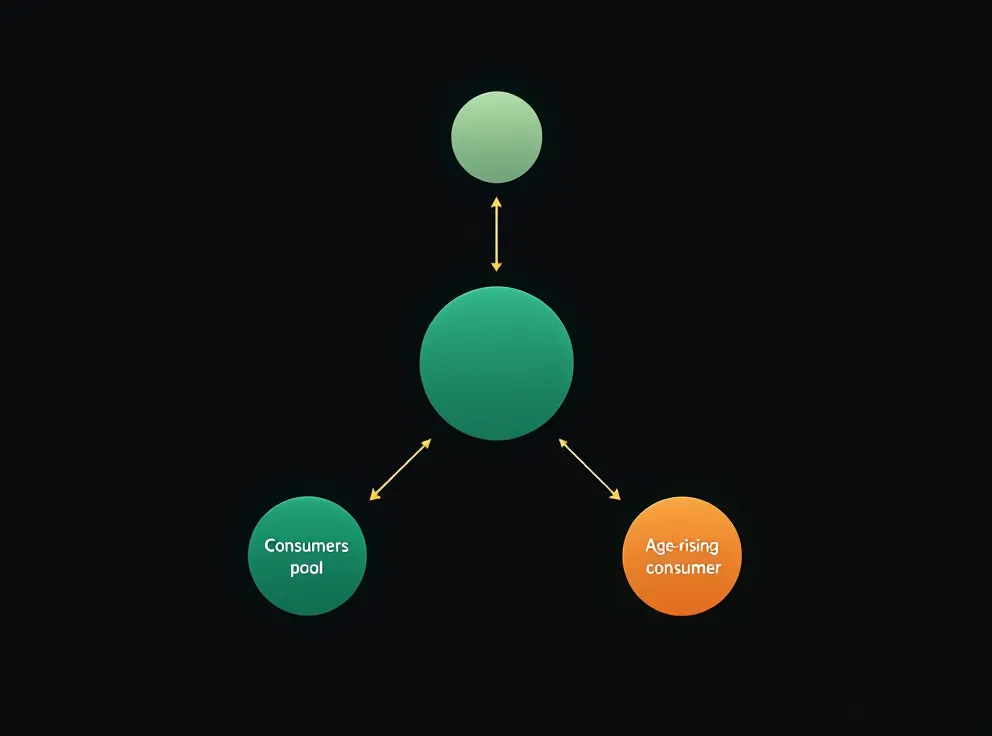
NAD+ is the form cells actually use. NMN needs only one more change before it becomes NAD+. Whole NAD+ crosses poorly through the gut and into cells [8]. After NMN or NR enters, the body can make the final change.
Keep that difference in mind while reading a pill study. An NMN study isn't a test of swallowed NAD+. Plain NAD+ pills are thought to enter the body poorly [8]. A result from any pill also gives no proof that a drip works.
What the 2024–2025 reviews found for movement and health
A 2024 review combined ten NMN studies with 437 people. Their average age was 58; amounts ranged from 150–1200 mg/day, with follow-up averaging about nine weeks. People walked faster, rose from a chair faster, and went farther in six minutes [15].
The walking and chair gains were unlikely to be due to chance. A survey with 36 questions also found that people rated their health and daily life better, and mild problems happened just as often with or without NMN. No serious event was reported, but the review did not prove less illness or longer life.
A 2025 review found that health gains that last remain hard to show [14]. Few human studies have even tracked a steady NAD+ fall inside body tissue. The 2024–2025 reviews support higher blood NAD+ and some gains in movement, and they leave the larger health claim open.
What NAD+ evidence is firm and what is still unsure
Blood NAD+ rises after people take NMN or NR pills [4][3]. One NMN study found that muscle used insulin better [1]. A review found better walking and faster chair rises [15]. One NR study also found fewer blood signs tied to swelling [6].
These results do not prove less disease or a longer life. The 2025 review found too little human work inside organs and muscle [14]. More studies in people must back broad health claims, and results in mice cannot fill that gap.
People with cancer have another question to weigh. NAD+ helps cells grow, and cancer cells may use it too [8]. Research has not settled whether extra NAD+ is helpful or risky. If you have cancer, the doctor treating you can weigh that concern.