WHAT DRIPS AND SHOTS HAVE SHOWN
What NAD+ IV drips change in blood, and for how long
A drip can raise blood NAD+ for a short time. Studies haven't shown a health gain that lasts. Pharmacy-mixed shots also carry a risk from germs and their waste.
What an NAD+ drip changes first
A person may first notice the long hours spent in a clinic chair. A drip or shot places NAD+ straight into the blood. The blood level rises fast, then most of the added amount leaves within hours [10]. That brief rise hasn't been shown to improve health.
A pharmacy mixes these drips and shots. They aren't approved drugs, and one mixed batch was recalled [11]. Pill studies give stronger proof of a higher blood reading after NMN or NR. The sections below explain the open questions that matter for you.
What to watch for with an NAD+ drip or shot
Caution: this pharmacy-mixed use has no drug approval. Almost all NAD+ added by a drip leaves the blood within about two hours [10]. Sound studies have not linked that brief rise to help with a health problem. A short blood change is the firm finding.
Mixing adds a real safety risk, and one NAD+ shot received the FDA's Class I label, a label used when serious harm is possible [11]. The batch contained too much waste from bacteria, which can make someone very ill. You will not find a dose or timing plan here. The site sells nothing.
What blood tests found for NAD+ after a drip or pill
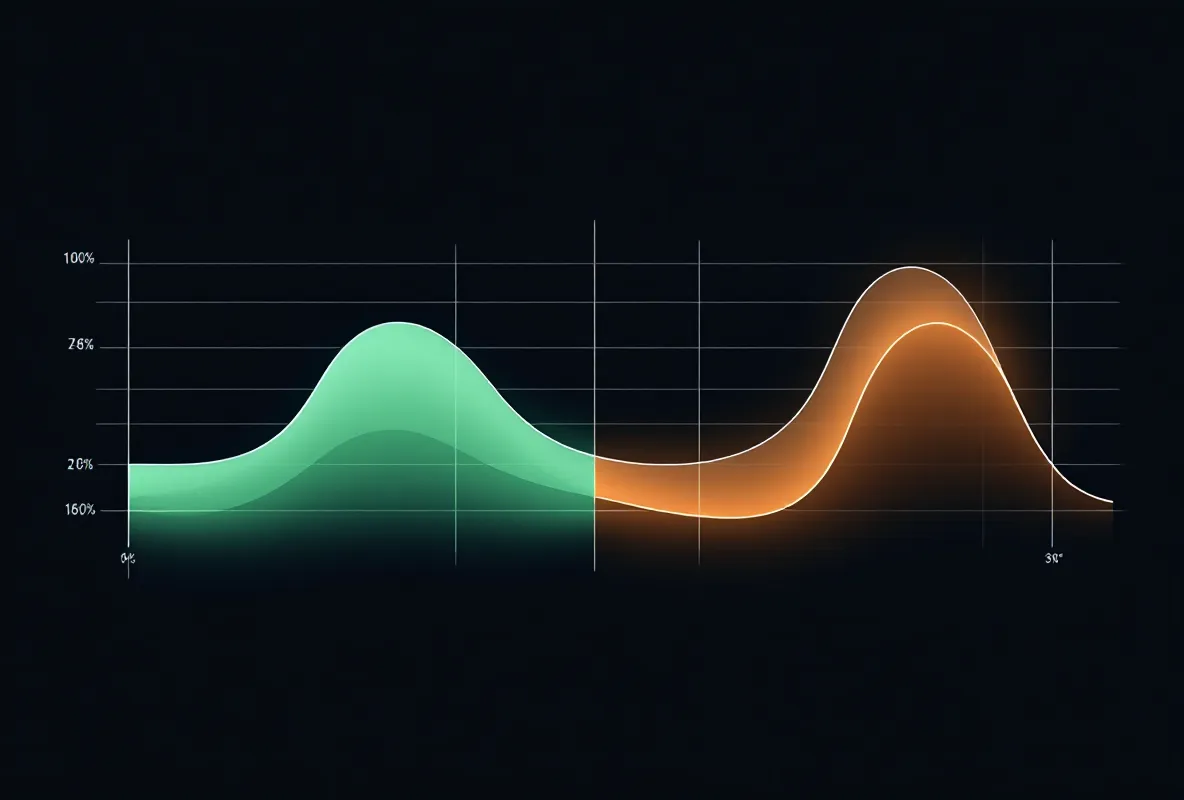
A small study watched blood NAD+ during a steady IV drip. In the first two hours, nearly all added NAD+ disappeared from the liquid part of blood [10]. The test did not show how much entered cells, changed form, or left in urine. What it did show was a steep, short blood rise.
NMN and NR pills took longer to change the blood test. In studies lasting 8–12 weeks, days or weeks passed before blood NAD+ climbed [4][3]. The reading stayed raised while people used the study pills. A higher reading still did not prove that a health problem improved.
No single timing rule fits every form. A drip raised blood NAD+ for about two hours [10][4]. Pills kept the number higher during use. Neither result tells you how a person will feel.
What running an NAD+ drip too fast can cause
Some clinics inject NAD+ below the skin or directly into a muscle. Few published studies have followed people after those shots. Clinic drips often contain about 250–1000 mg and run for several hours. One study sent 3 micromoles, a lab count for a very small amount, into the blood each minute for six hours [10].
That figure reports only the study's drip speed. It gives no pill comparison or personal plan. When the drip runs quickly, a person may have nausea, flushing, or pain through the chest or stomach area [10]. Slowing the flow may ease those problems, but it cannot prove a health gain.
NAD+ and the materials used to make it pull moisture from the air. Heat and moisture can spoil them, so pharmacies chill mixed shots and block light [11]. Poor mixing can leave germs or their waste. The FDA placed one batch in Class I, its group for recalls that may involve serious harm.
What NAD+ IV drips have and haven't proved
An NAD+ drip raises the blood level for a short time [10]. Published drip reports often use small groups or old clinic notes. They haven't proved that a drip improves health, and the research remains thin.
Stronger studies in people used pills of NMN or NR. Blood NAD+ rose, and some people did better on muscle or walking tests [4][1][15]. A pill finding cannot establish that a drip works, and the case for IV treatment is much weaker.
What an NAD+ shot puts into your body
A shot or IV drip places NAD+ into the body without the stomach. A pharmacy mixes the product, which lacks FDA drug approval, and within about two hours, blood loses most of the added NAD+ [10]. Very little published work covers shots placed in body fat or muscle [11].
What research can tell you about the worth of an NAD+ shot
Sound proof for an NAD+ shot or drip is weak, and blood loses most of the added amount within about two hours [10]. Human studies give firmer support to NMN or NR pills [3][4]. The research gives no good way to decide whether the price and risks are worth it for you.
What studies say about the time of an NAD+ shot
Research has not found one best hour for an NAD+ shot. Clinics use different plans, and sound research has not picked one. The main finding is that blood loses the added NAD+ quickly after a drip [10]. You will not find a dose or timing plan here.